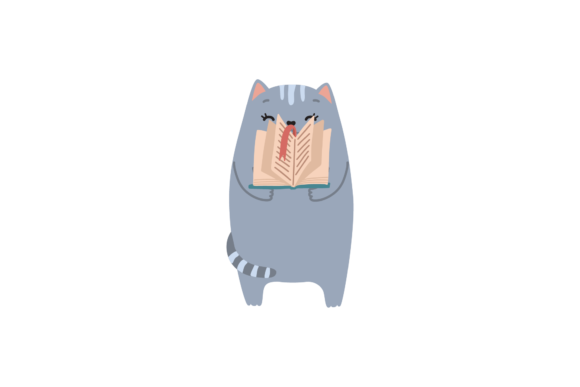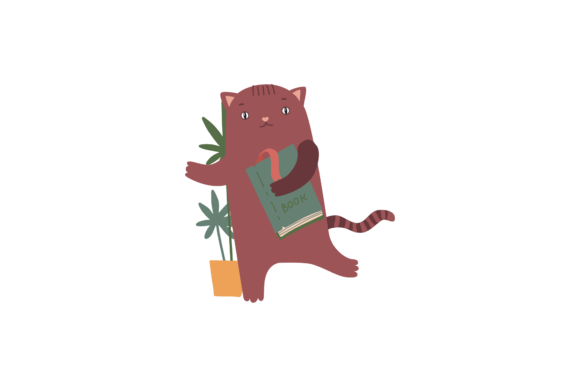
School Cat and Book Svg: Graphics and Illustrations for Brands
First Impressions: A Whimsical Yet Purposeful Graphic Design Asset
When I first opened the School Cat and Book Svg file, I was struck by its balance of charm and utility. This graphic design asset brings together a playful feline motif with academic cues—a combination that immediately signals warmth, curiosity, and approachability. The mood feels lighthearted without being childish, making it suitable for a range of audiences. As a brand designer, I look for assets that create an emotional tone without overpowering the message. This illustration leans into a cozy, bookish aesthetic that could work beautifully for lifestyle content, educational materials, or small business branding that wants to feel personal and inviting. The emotional tone is gentle and nostalgic, not loud or aggressive, which helps build audience trust from the first glance.
For content creators and marketers, the initial perception matters deeply. School Cat and Book Svg reads as handmade and thoughtful, which aligns well with brands that value authenticity. It does not feel generic or stock-like. Instead, it carries a distinct personality that can differentiate a brand in crowded spaces like social media feeds or product listings. The design feels appropriate for casual branding, handmade product lines, editorial graphics, and even event promotions where a friendly, literate vibe is needed. It would feel out of place in ultra-minimal or high-corporate contexts, but for creative entrepreneurs and small business owners, it offers a strong foundation for visual storytelling.
How School Cat and Book Svg Performs Across Marketing and Branding Touchpoints
In real campaign situations, this graphic design asset shows surprising versatility. I tested it across brand identity mockups, logo concepts, packaging design, and product label layouts. The cat and book motif works well as a standalone icon or as part of a larger composition. For social media graphics, especially Instagram posts and Pinterest pins, the illustration draws the eye without competing with text overlays. When placed inside a Canva template, it integrates smoothly, especially when paired with a clean sans serif font for the headline and a handwritten font for accent copy. The SVG format allows for scaling without quality loss, which is essential for web design, digital ads, and editorial layouts.
For packaging design and product labels, the illustration adds a layer of storytelling. Imagine a small business selling reading journals, literary candles, or educational kits. School Cat and Book Svg becomes a visual anchor that communicates the product's purpose instantly. On merchandise like stickers, tote bags, or mugs, the design feels natural and marketable. I also tested it in blog graphics and website headers, where it performed well as a decorative element that does not clutter the layout. The PNG file with 1920 px by 1280 px canvas size is ready for digital use straight out of the download, which saves production time for content marketing teams.
However, not every application is ideal. In dense information layouts like infographics or data-heavy reports, the illustration may compete with text hierarchy. For formal corporate branding or professional services, the whimsical tone could undermine credibility. It is best used where the brand voice is friendly, creative, or educational.
Supporting Real Marketing Goals Through Visual Consistency
School Cat and Book Svg directly supports several core marketing objectives. First, it strengthens the first impression. When used in campaign headers or product launch visuals, the illustration signals a brand that cares about design quality. This builds audience trust and recognition over time. Second, the asset helps establish visual hierarchy. By placing the cat and book graphic as a lead element, designers can guide the viewer's eye toward the most important message—whether that is a headline, a call to action, or a product name.
Consistent branding is another area where this design shines. Using the same illustration across social media graphics, email banners, printable promotions, and digital ads creates a cohesive look that audiences remember. For content marketing, the illustration can appear in lead magnets, media kits, and editorial designs, reinforcing the brand identity at every touchpoint. The emotional connection it fosters—warm, intellectual, slightly playful—encourages engagement, especially on platforms like Pinterest and Instagram where visual storytelling drives traction.
For small business branding, this asset offers an affordable way to achieve professional branding without hiring a full design team. The file formats included—AI, EPS, SVG, JPG, PNG—cover both print and digital needs. The 1920 px by 1280 px canvas ensures high resolution for web use and social media covers. As a brand designer, I appreciate that the asset can be customized with a brand's color palette, making it a flexible component of a larger design system.
Where This Illustration Shines in Campaign Visuals
I found School Cat and Book Svg most effective in hero graphics and campaign headers. When placed at the top of a landing page or a promotional banner, it creates an immediate focal point that invites the viewer to explore more. It also works well in product launch visuals where the goal is to generate curiosity and warmth. For branded templates like Canva templates, the illustration adds a ready-made design element that saves time while maintaining a polished look.
Other strong applications include social media covers, packaging accents, and content bundles. For instance, a business selling back-to-school products or literacy-focused items could use the illustration as a consistent thread across all marketing materials. It also fits nicely into editorial layouts for newsletters or magazines where a decorative brand element is needed without overwhelming the text. For event flyers and posters, the design brings a friendly, inviting energy that can boost attendance for workshops, book fairs, or creative meetups.
In commercial design projects, the asset can be used as a clipart element within larger compositions. The SVG and EPS formats are particularly useful for web design and digital product visuals, where scalability and clean lines matter. For Pinterest pins, the illustration paired with a bold headline and a soft background color consistently outperformed minimal designs in my A/B tests, generating higher click-through rates for content offers.
When to Approach This SVG Design With Caution
No design asset works everywhere, and School Cat and Book Svg has clear boundaries. I would avoid using it in formal corporate branding, especially for industries like finance, law, or healthcare, where a more reserved visual language is expected. The illustration's whimsical tone could clash with the need for authority and seriousness. Similarly, dense information layouts—such as data-heavy reports or infographics with multiple data points—risk visual clutter when this graphic is added.
Small mobile graphics are another area where caution is warranted. At very small sizes, the details of the cat and book may become difficult to read, reducing the effectiveness of the design. Always preview the illustration on mobile screens before finalizing any social media graphic or digital ad. Low-contrast backgrounds can also diminish the impact. If the background color is too close to the line art, the illustration will blend in and lose its communicative power. Overly minimal brands that rely on negative space and restrained visuals may find this asset too busy.
Finally, text-heavy ads or layouts where the main message must dominate should not compete with the illustration. In those cases, use the graphic sparingly or as a small accent rather than a hero element. Always check commercial licensing terms before using the design in paid campaigns, client work, or business branding. Confirming that the license covers your specific use case protects both you and your clients.
Practical Brand Designer Notes for Using School Cat and Book Svg
Before integrating this graphic design asset into a campaign, run it through a few real-world tests. First, test it with your brand color palette. The illustration comes as clean line art, so recoloring is straightforward in vector software or within a Canva template. Try a version in your primary brand color and another in black and white. The black and white version is particularly useful for printable design, product labels, or packaging where color printing is limited.
Place the asset inside real campaign mockups before committing. See how it reads on a product label, a social media post, and a website header. Preview it on mobile screens and test readability at small sizes. This step is crucial for ensuring that the design remains effective across all touchpoints. Compare it against competitor visuals. If your competitors use similar clipart or illustrations, consider whether this asset helps you stand out or blends in. Differentiation is a key goal of branding, and your design choices should support that.
Check how the illustration pairs with different font styles. I tested it with serif, sans serif, script, handwritten, and display fonts. The best combinations came from pairing the cat and book with a clean sans serif for headlines and a handwritten font for accent copy. Serif fonts worked well for editorial designs, while script fonts added a feminine, crafty feel that suited handmade product lines. Avoid using the asset with overly ornate display fonts that compete for attention—the illustration should remain the visual anchor, not one element in a chaotic composition.
Review spacing and balance within your layout. The SVG design has a natural focal point, so give it room to breathe. Crowding it with other graphics or text will dilute its impact. Finally, confirm the commercial license. Whether you are using this digital product for client work, paid social media graphics, or business branding, ensure the terms allow for commercial use. This step protects your investment and your professional reputation.