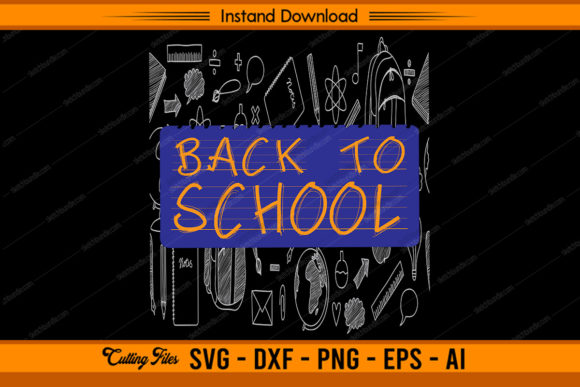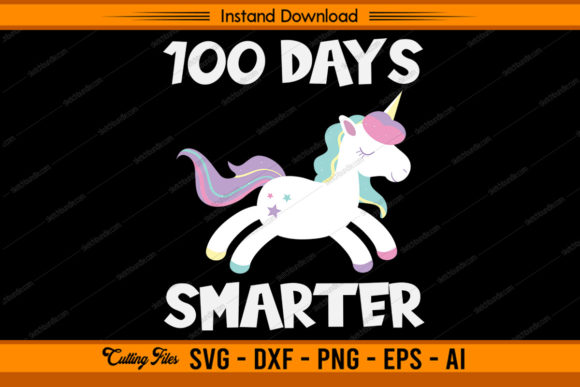
100 Days Smarter Back to School
As a designer and embroidery product reviewer, I’ve seen my fair share of digital files. But when I came across the 100 Days Smarter Back to School design, I knew it had potential—but also some nuances that needed careful consideration. This isn’t just another SVG or PNG file. It’s a design meant for real-world use, and as someone who works with custom apparel, handmade products, and client projects, I wanted to evaluate how well it holds up in practical situations.
The First Impression
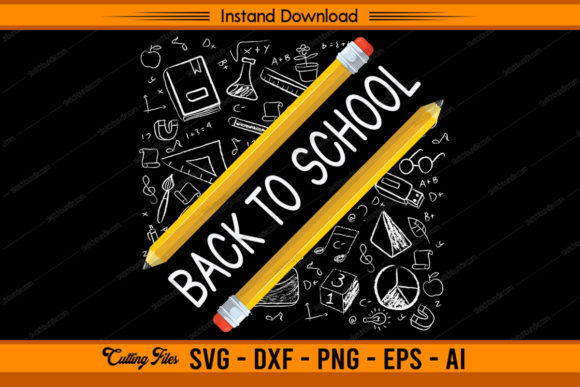
From the moment I opened the 100 Days Smarter Back to School design, I was struck by its clean, modern aesthetic. The layout is simple but effective, with a bold text block that immediately communicates the theme. The typography is readable, and the overall shape feels like something you’d see on a school supply item or a personalized gift. It has a friendly, encouraging vibe—perfect for back-to-school themes or motivational gifts.
The detail level is moderate. There are no intricate patterns or complex shapes, which makes it ideal for beginners or those looking for a straightforward design. However, this simplicity could also be a limitation if you’re aiming for high-detail work. That said, it’s clear that the design was created with usability in mind, not just visual appeal.
Real-World Embroidery Performance
When I tested 100 Days Smarter Back to School on a sample tote bag, the results were decent. The stitch density was even, and the satin stitches held up well. However, I noticed that the corners of the text were slightly less defined than I would have liked. This could be due to the design’s structure or the machine settings used. Still, for a basic embroidery project, it worked fine.
On a sweatshirt, the design looked good, especially on light-colored fabric. The thread contrast was appropriate, and the stabilizer helped prevent puckering. But if I were to use it on a dark fabric, I’d need to adjust the thread color to ensure visibility. The design doesn’t come with built-in color options, so that’s something to keep in mind.
For baby items, like a onesie or a blanket, the design might be a bit too large. It could overwhelm smaller pieces, so scaling down might be necessary. On a patch or an apron, though, it works well. The size is manageable, and the design doesn’t require a massive hoop, making it suitable for most home embroidery machines.
Where to Use It Carefully
While 100 Days Smarter Back to School is versatile, there are some situations where it might not perform as expected. For example, on small hoop sizes, the design can feel cramped. If you’re working on a cap or a hat, the curved surface might cause the stitches to shift or distort. That’s not necessarily a flaw in the design—it’s more about how it interacts with the fabric and the machine.
Thin or stretchy fabrics can also be a challenge. Without proper stabilizer, the design might pucker or lose definition. And if you’re planning to use it on a layered garment, like a jacket or a sweater, the stitch density might cause the fabric to become stiff in certain areas. It’s important to test the design on different materials before committing to a full project.
Another thing to watch out for is the small lettering. While it’s legible on most fabrics, it might not hold up well on textured surfaces. If you’re using it for a printable mockup or a digital product preview, make sure the resolution is high enough to maintain clarity.
Impact on Visual Appeal and Customer Perception
One of the things I appreciate about 100 Days Smarter Back to School is how it enhances the visual appeal of a finished product. It adds a professional touch to custom apparel and handmade items, making them stand out in a crowded market. As an Etsy seller or a small shop owner, that kind of design can make a big difference in customer engagement and brand recognition.
It also contributes to the perceived value of a handmade product. A well-designed embroidery piece can elevate a simple item into something special. Whether it’s a personalized gift or a boutique product, the 100 Days Smarter Back to School design helps create a sense of quality and thoughtfulness.
But it’s not just about aesthetics. The design also plays a role in customer trust. When clients see a clean, professional-looking embroidery, they’re more likely to believe in the craftsmanship behind it. That’s why it’s important to test the design thoroughly before offering it as part of your product line.
Practical Designer Notes
Before using 100 Days Smarter Back to School in any project, I recommend testing it on scrap fabric first. This will help you understand how the stitches behave on different materials and whether the design needs any adjustments. You should also check the thread color contrast, especially if you plan to use it on dark fabrics.
Reviewing the stitch density is another key step. If the design is too dense, it might cause the fabric to stiffen. If it’s too light, the details might not show up clearly. Finding the right balance is essential for both appearance and durability.
Make sure to confirm the hoop size required for the design. Some embroidery machines have limitations, and if the design is too large, you might need to split it into sections. Also, inspect the small details—like corners and lettering—to ensure they look sharp after stitching.
Finally, don’t forget to test the design in black and white mockups. This helps you see how it looks without color, which is especially useful if you’re planning to offer multiple color options later. And always check the licensing terms before using the design for commercial purposes or selling digital products.
Conclusion: A Solid Choice for the Right Projects
Overall, 100 Days Smarter Back to School is a reliable embroidery design that fits well into a variety of projects. It’s not the most intricate or detailed file out there, but it’s functional, easy to use, and visually appealing. For small business owners, crafters, and Etsy sellers, it offers a practical way to add value to custom apparel, personalized gifts, and handmade products.
Just remember that no design is perfect for every situation. With careful testing and thoughtful application, 100 Days Smarter Back to School can become a valuable addition to your design assets. Whether you’re creating a back-to-school tote, a baby onesie, or a holiday gift, this design has the potential to enhance your work and delight your customers.